


Published June 2021 | Updated October 2026
Seagrass rugs and carpet are darlings of the design world because they introduce a natural element into design landscapes and play well with a range of both timeless and on-trend interior styles. If you are considering a seagrass area rug or wall-to-wall carpet, you may have questions: What are the pros and cons of seagrass flooring? Will a seagrass rug complement my style? Where can I buy one? (Hint: here!) Can seagrass rugs be used outdoors?
This comprehensive guide answers these common questions and more, with plenty of design inspiration along the way.
What is seagrass?
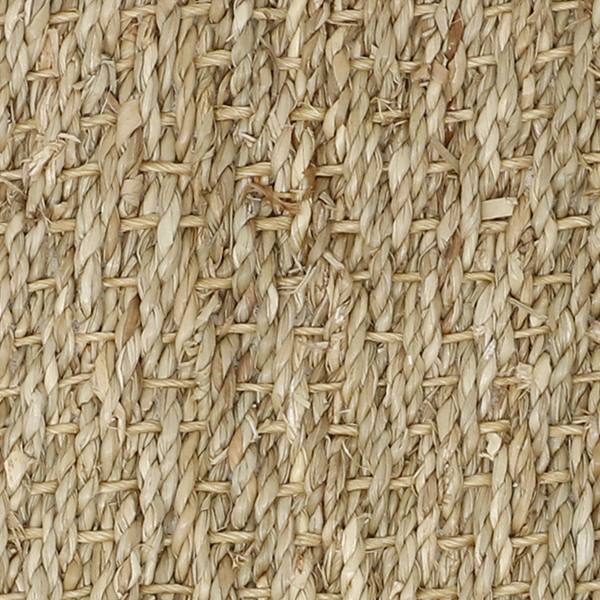
This popular natural fiber material is made from seagrass, a perennial plant that grows in low-lying meadows of the Asia-Pacific region. Once harvested and dried, these grass-like leaves take on warm, toasty brown tones. The durable seagrass fibers are then woven together create the texturally rich rugs and carpet that designers and homeowners love.



Is a seagrass rug right for me?
There are many things to consider when choosing floor coverings for our homes, including not only what aesthetically delights us, but also what works with our lifestyle. Bustling households, homes with pets, and maintenance are just a few things to take into consideration.
Our pros and cons table below outlines the key benefits and limitations of seagrass rugs and carpet to help you decide if they’re right for your home.
Seagrass Rugs: Pros & Cons at a Glance
| Pros | Cons |
|---|---|
| Durable: Strong, tightly woven fibers stand up to everyday foot traffic. | Firm underfoot: Less soft than wool or many synthetic rugs. |
| Naturally stain-resistant: Waxy fibers help repel many spills. | Moisture-sensitive: Prolonged dampness can lead to mold or mildew. |
| Versatile aesthetic: Natural texture complements a range of styles and adds organic character to interiors. | Limited colors: Primarily available in natural tan and brown tones. |
| Renewable fiber: Made from a fast-growing plant. | Indoor use: Not suited to prolonged outdoor exposure. |
| Compared to other natural fibers: Softer than sisal and coir, with less fiber dust than jute. | Less plush: Not as soft or cushioned underfoot as wool. |
Are seagrass rugs durable?
The seagrass plant is a hardy aquatic plant with non-porous fibers that make it an ideal material for everything from placemats to rugs. You might be familiar with seagrass matting or square rugs, where squares of woven seagrass are sewn together to create larger rugs. These loosely woven mats can be unstable and deteriorate quickly. This is not the kind of seagrass floor covering that we sell. At Curran, we offer high-quality, expertly woven seagrass rugs and carpets with structural integrity, designed to last.
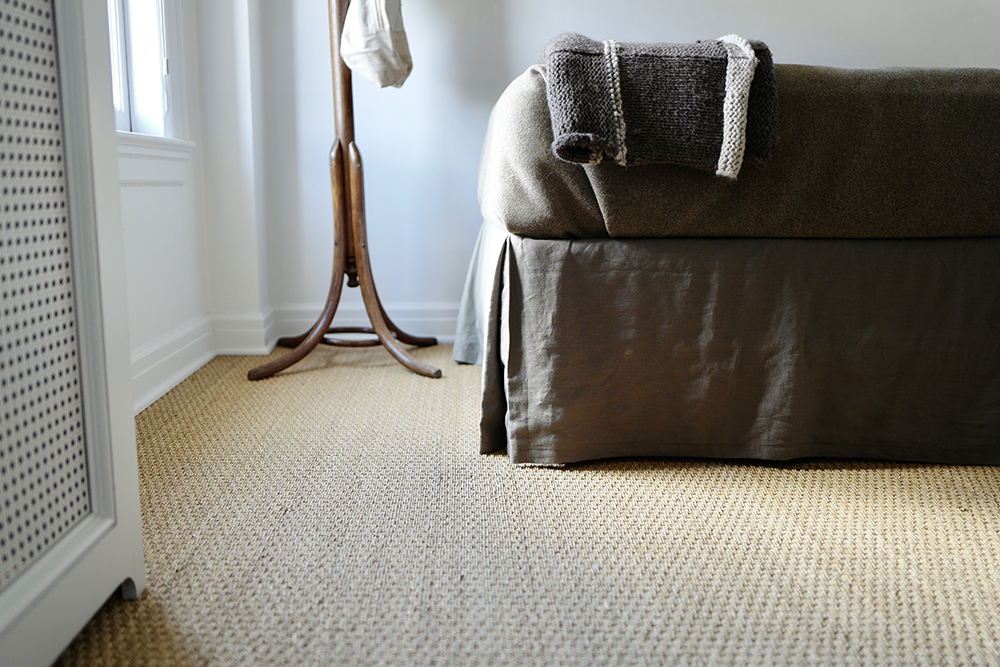
Seagrass is versatile and durable. You can install seagrass carpet wall-to-wall in a living room or bedroom, or create a custom seagrass runner rug for a busy hallway or foyer. Because its fibers are relatively non-absorbent, seagrass is also an option for dining room and kitchen area rugs.
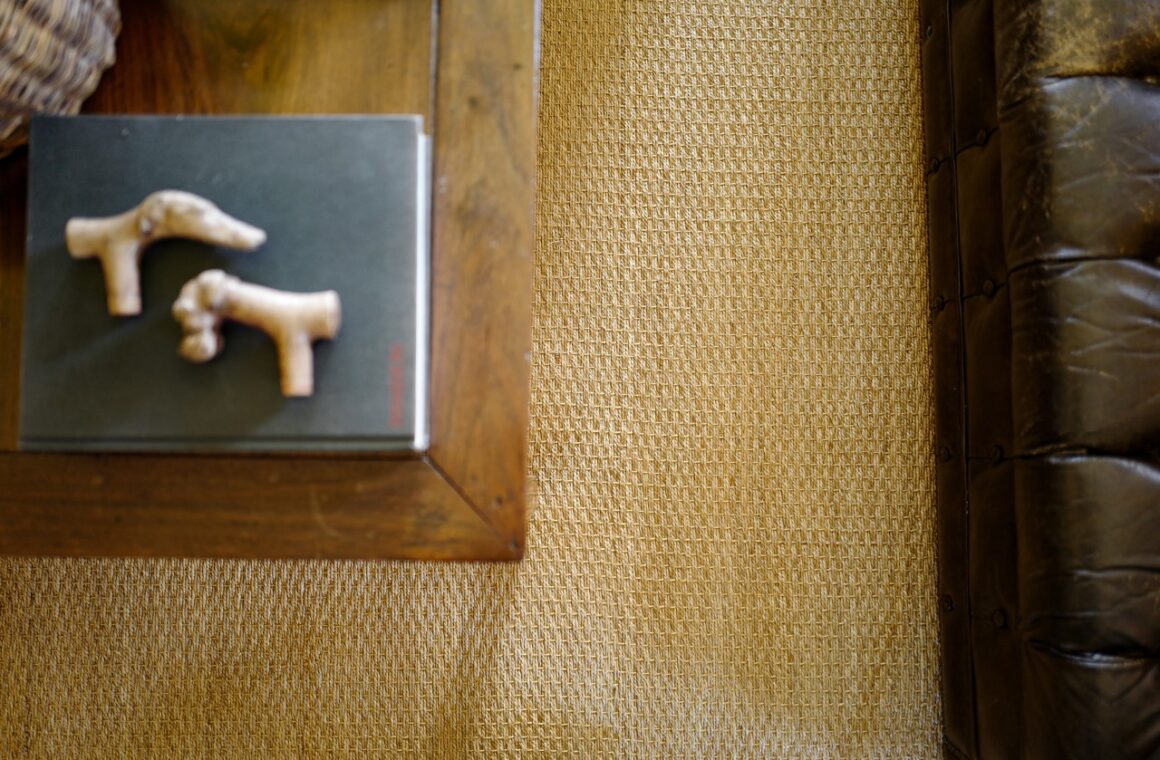
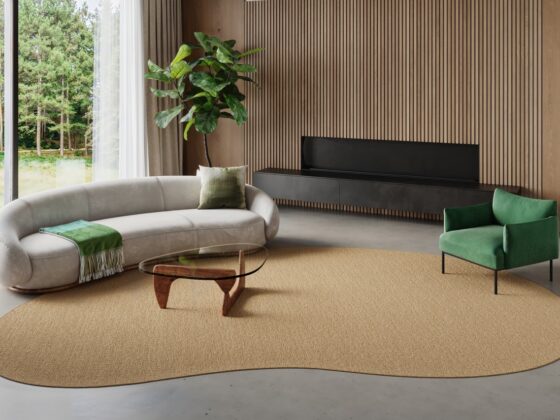
Image: Calypso seagrass area rug in living room
Is seagrass a pet-friendly material?
The waxy coating and non-porous nature of seagrass fibers make seagrass resistant to staining—an ideal attribute if you have pets! This fiber is also static-free and does not readily attract dirt or dust. Liquid spills are easily wiped up and residual soil is less likely to embed in the weave fibers. Nonetheless, you should always act quickly to soak up liquid spills or clean up pet accidents.
Frequent vacuuming of any rug or carpet is an on-going chore if you have pets and want to keep hair and fur off the bottom of your socks. A seagrass rug is no different. Use a vacuum has a strong suction to remove dirt, dust, and pet hair from the weave.
What are some alternatives to seagrass?
Seagrass isn’t right for everyone. Maybe you would like something with more pattern or color, a softness underfoot, or easier maintenance? Explore our collections of natural fiber rugs that showcase a variety of patterns, colors, and textures, including stain-resistant sisals. If you like the look of sisal but want softness underfoot, our exclusive SynSisal synthetic sisal offers classic sisal patterns and colorways with softer yarns and easy maintenance.
Seagrass vs. Sisal vs. Jute?
Take a deeper dive into the differences between natural fiber flooring materials.
Can you use a seagrass rug outside or as a porch rug?
We do not recommend using seagrass rugs outdoors. When exposed to moisture and other elements, mold and mildew grows and the backing may deteriorate. However, if you have a covered porch or patio that stays dry, a seagrass area rug that can be brought indoors when conditions are damp and dried out regularly may be an option.
If you want to pass on the hassle, a synthetic outdoor rug is just what you need. Shop our collection of outdoor rugs for a stylish selection of rugs designed to withstand the elements.
Why Designers Love Seagrass Rugs
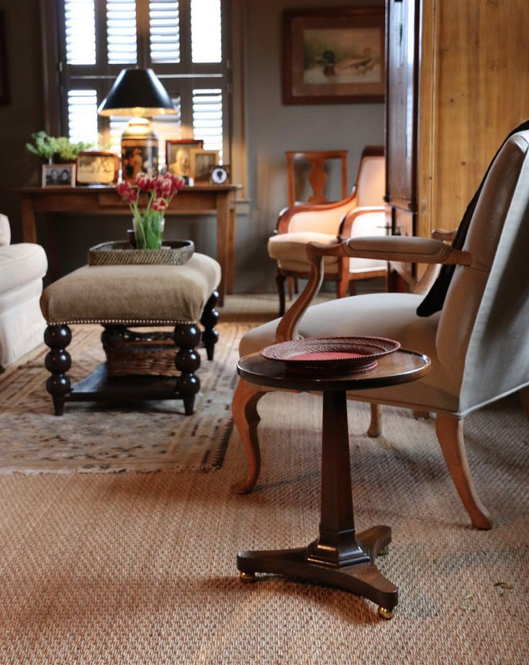
Seagrass rugs are a versatile design element that have long been a staple in both stately homes and humble abodes. Sir Evelyn de Rothschild’s beautiful home on Martha’s Vineyard features wall-to-wall seagrass carpet in the common room. Seagrass blends with the calming hues of coastal cottages and adds warmth to modern and contemporary styles. The beauty of a natural seagrass rug is the neutral foundation it provides, ready for your personal touches.
Image: calypso seagrass carpet as a base for layering antique rugs or wool kilims
Will a seagrass rug match my style?
Many designers think of the floor as the “fifth wall.” Along with lighting, wall color, furniture, and gallery-worthy art, the right floor covering brings the whole vision into focus. Stylistic versatility is a hallmark of seagrass rugs and carpet. Their natural tones create the perfect template for building your unique look.
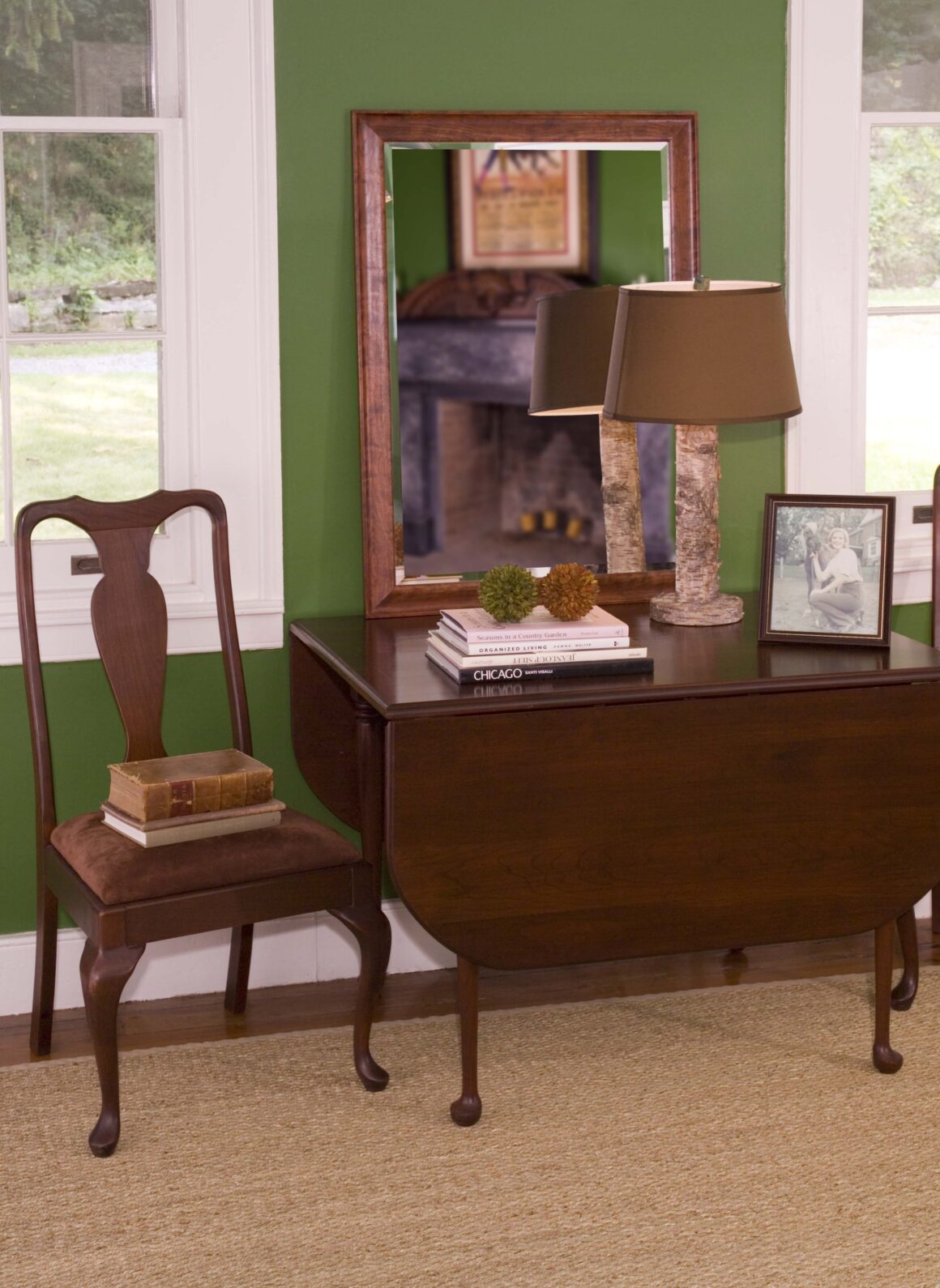
A seagrass rug blends beautifully with soothing, monochromatic interiors or counterbalances colorful, energetic spaces. Boho chic styles pair color-drenched textiles with natural elements, making our Calypso a perfect fit. For more traditional spaces, our Cyprus seagrass weave adds casual sophistication to living and dining rooms. Organic modern interiors, with clean lines and subtle hints of nature, are also a natural match for seagrass rugs.

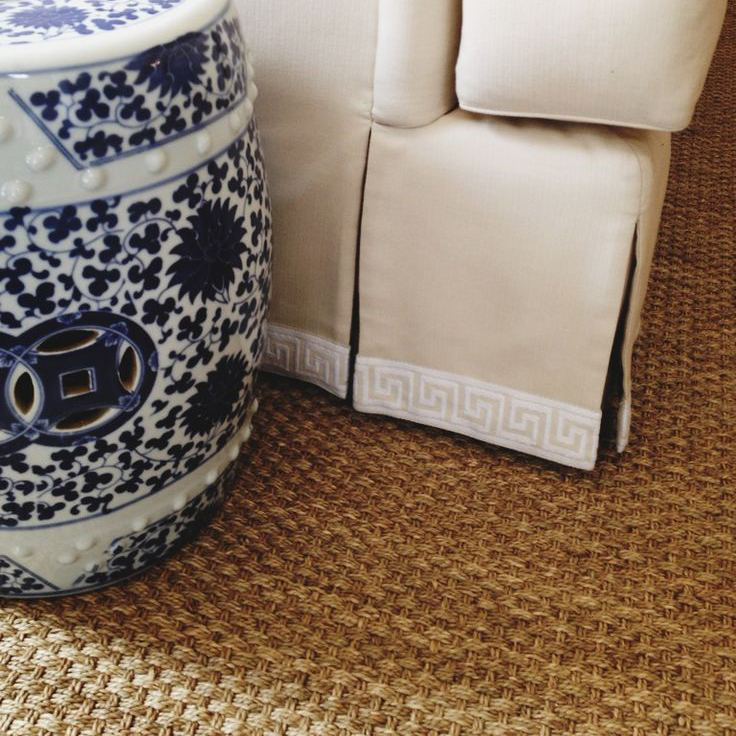
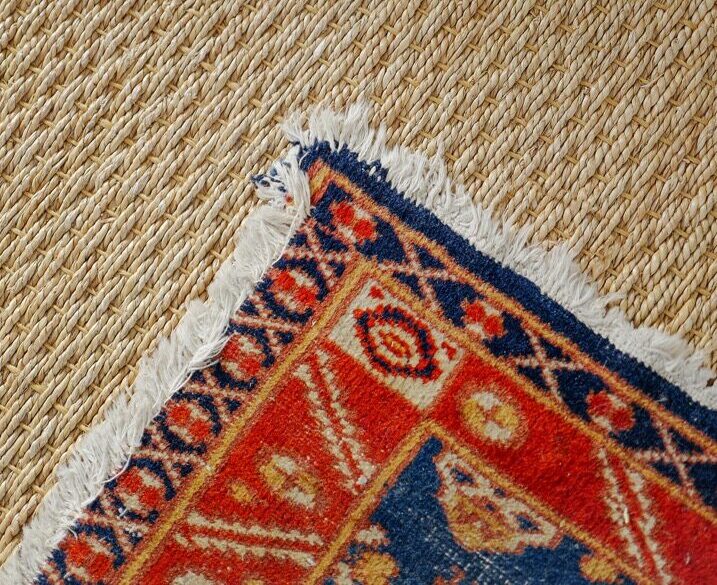
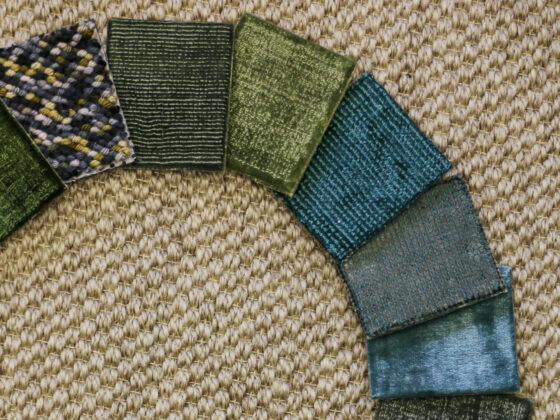
With custom area rugs, you can further define your style with a cloth border. Linen, leather, or cotton are just a few options to complete the look. Choose a contrasting color, like black or nautical blue, to tie in your home’s palette, or opt for a matching hue or a serged edge that won’t compete for attention. Biscayne showcases both contrasting and matching cloth borders, as well as a serged edge.
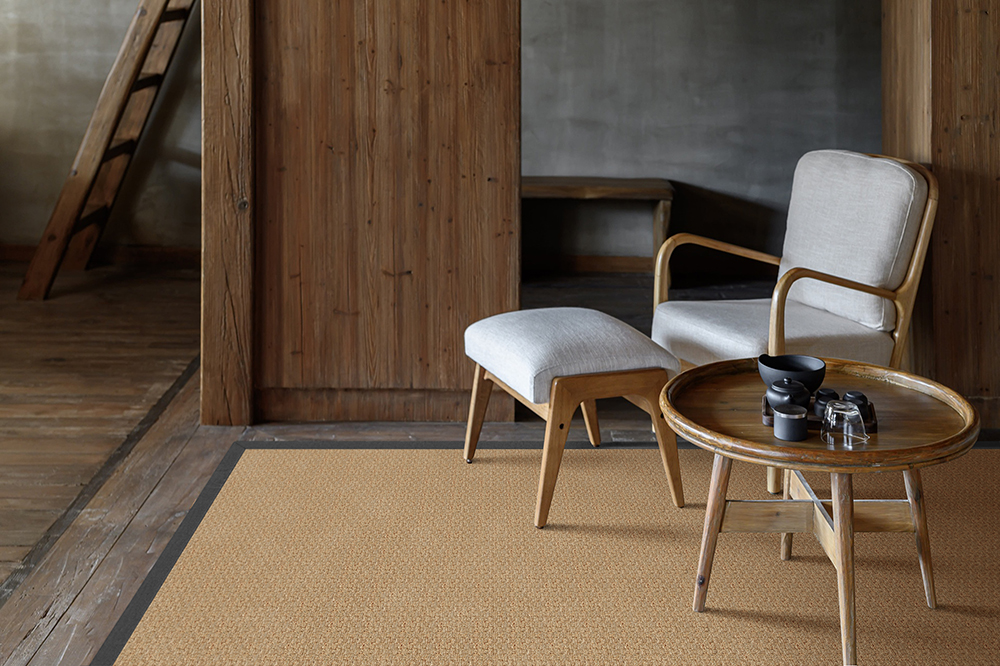
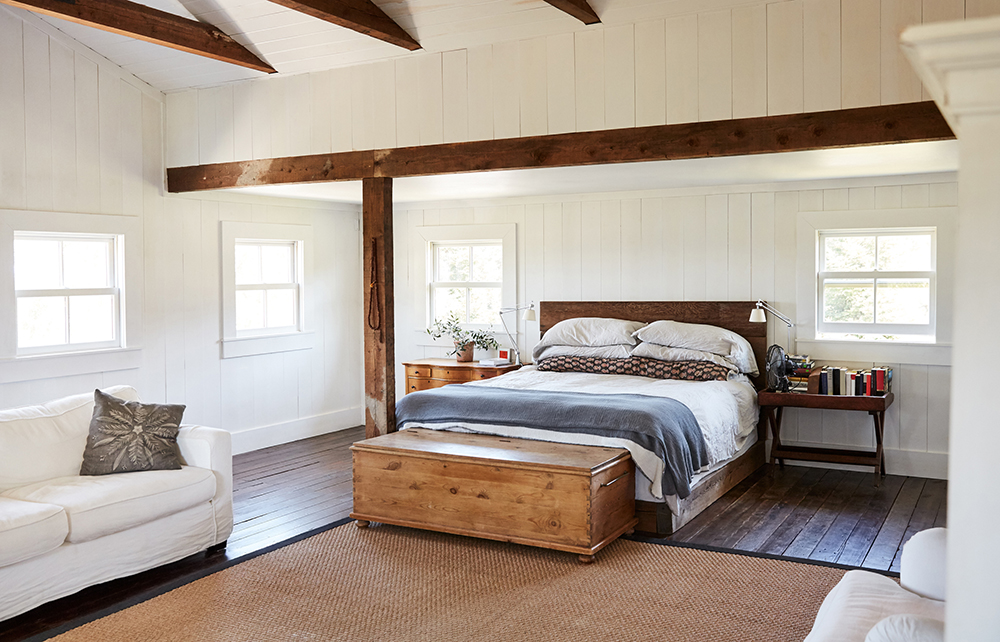
Seagrass is also popular when installed wall-to-wall. Its flat weave and natural color create a perfect canvas for layering another rug, such as a kilim, dhurrie, or low-profile wool, to add warmth. For a professional finish, add base trim or quarter round trim around the edges. This helps secure the edges of the carpet and provides an elegant frame. Magellan showcases professionally installed seagrass in a home office with crisp base trim.

photo courtesy of Haris Kenjar
Pro Tip: Natural fiber broadloom, including seagrass, can change dimensions as it adjusts to the installation environment. Seagrass can shrink 2”-3” on the sides, so allow the material to acclimate at least 24 hours before fitting and trimming.
What color is seagrass?
Fresh seagrass has a greenish hue that mellows into a warm tan or khaki as it ages. Seagrass leaves are non-porous, so seagrass material cannot be dyed a different color. This makes your seagrass carpet a blank canvas: add a splash of color by layering decorative rugs on top or choose furnishings in bold hues or patterns that won’t contrast with your flooring.
Note: Direct sunlight over extended periods of time can alter the color of your seagrass rug. Use window shades or rotate your rug to help even out the natural color changes.
Are seagrass rugs soft?
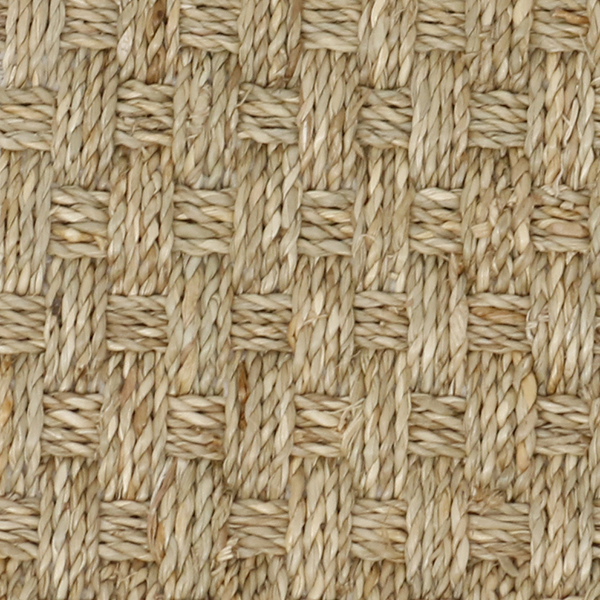
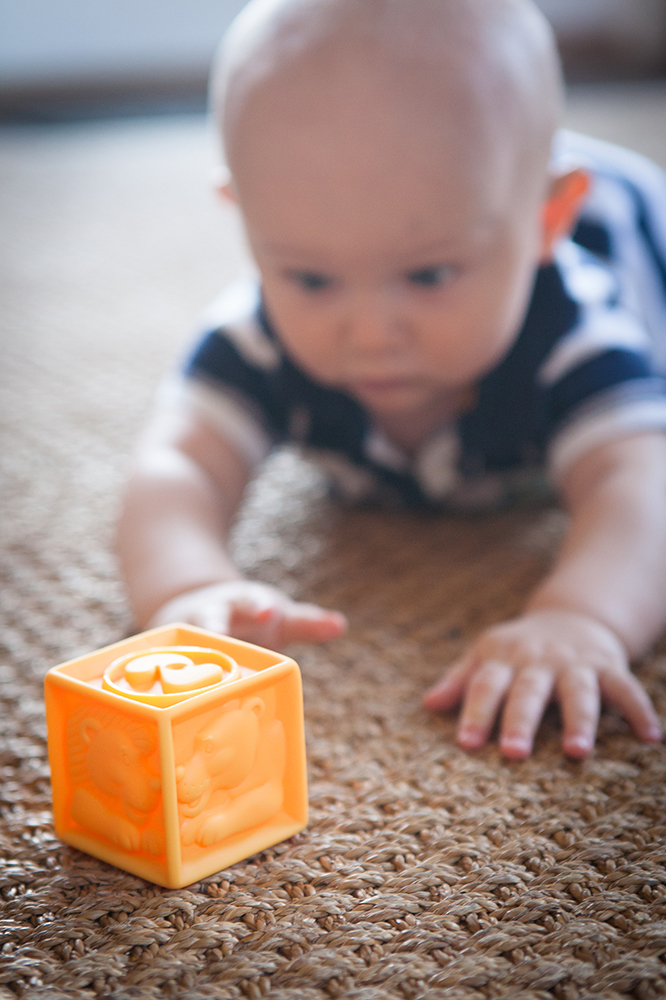
A seagrass rug can’t beat the coziness of wool, but it is softer than sisal and coir. Natural fiber rugs are flatwoven, with texture that comes form both the fibers and the weave patterns. The basketweave structure in Cyprus adds texture, but the fibers are easier on the feet than sisal or coir. We suggest ordering seagrass swatches so you can feel the texture yourself.
Can I create a custom seagrass stair runner or a round seagrass rug?
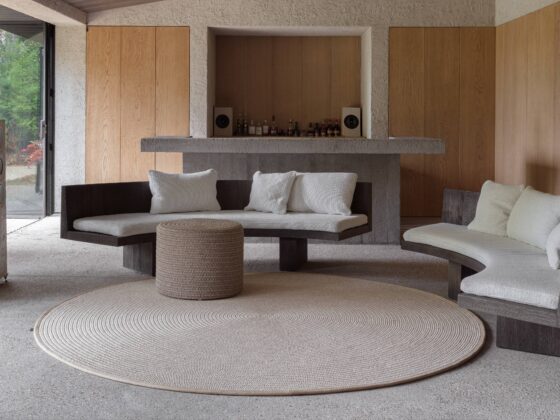
Yes, you can! At Curran, you can customize the dimensions and finishes of your seagrass area rug or stair runner. A custom stair runner can have your choice of cloth borders, from cotton to faux leather, or a classic serged edge. Round seagrass rugs can also be custom ordered to your preferred dimensions and finished with a matching serged edge.


Seagrass Cleaning & Care
How do you clean seagrass carpet?
Seagrass rugs and carpet require the same maintenance that most floor coverings do:
- Use a durable walk-off mat at entrances. A durable walk-off mat at your home’s entrance will capture much of the dirt tracked in from outside. Consider a “no shoes inside” policy to help keep the remaining dirt and dust from spreading throughout your home.
- Vacuum regularly. We recommend that you vacuum one to three times per week, depending on the activity level in your home. For best results, take multiple passes over heavily trafficked areas with a quality vacuum. Since seagrass has an uneven texture, you should change direction each time you take a pass to better remove fine dust or dirt particles. If left in your carpet, these fine dirt particles can turn into a bad stain if they come into contact with liquid. Dirt + water = mud!
- Attend to spills right away. The good news is that the non-porous nature and waxy coating of seagrass makes it more resistant to staining. For added protection, apply Sisal-Guard, a spray-on sealant for natural fiber rugs and carpet that acts as a stain barrier. Blot spills immediately with a clean, dry cloth, working from the outside inward. Avoid saturating seagrass with water.
All of our weaves come with guidelines for care and maintenance that are accessible under the Care tab on each weave page. More detailed cleaning tips and a spot removal chart for natural fiber rugs can be found on our Care & Cleaning Guide.
Does seagrass mold?
Seagrass’s grass-like fibers are susceptible to mold and mildew growth with prolonged exposure to humidity or moisture. To avoid this undesirable outcome, make sure that you only install wall-to-wall in a dry, climate-controlled setting. Those in humid environments will need proper air conditioning to keep mold at bay.
Seagrass needs to breathe, so avoid installing it in a damp basement or directly over concrete slabs without appropriate moisture protection. If you chose a seagrass area rug, routinely air it out. And don’t cover seagrass with plastic mats (think clear mats that office chairs roll on), as these can trap moisture and lead to mold and mildew growth.
If you do end up with mold, we recommend treating the area with a mild bleach solution (one part bleach to six parts water). Always test the solution on an inconspicuous area of your rug (not on the binding) to make sure it doesn’t bleach the fibers. Once deemed safe, lightly apply the solution to the area with a soft brush, taking care not to saturate the fibers or the backing. Let sit for five to ten minutes and then blot with a clean cloth. Repeat if necessary. Be sure to dry the rug thoroughly. Our Care & Cleaning Guide offers more detailed instructions.
Do seagrass rugs have an earthy smell?
A straw- or hay-like smell is common in new seagrass products and fades away over time. Order seagrass samples to experience the natural scent firsthand. Many seagrass rug owners report that this odor dissipates within a few weeks and is replaced by a more subtle smell that many find refreshing. Humidity can increase the smell, so expect a strong scent if you are returning to your home or vacation hideaway that has been sealed up for weeks or months.

How much does seagrass carpet cost?
Compared to other common natural fiber rugs, such as sisal and jute, seagrass rugs are generally more affordable. Prices for a 4′ x 6′ seagrass rug start at approximately $300–$345, depending on the weave. This makes seagrass an economical choice for covering larger spaces. With proper care, a seagrass rug or carpet can last for years, offering lasting value.
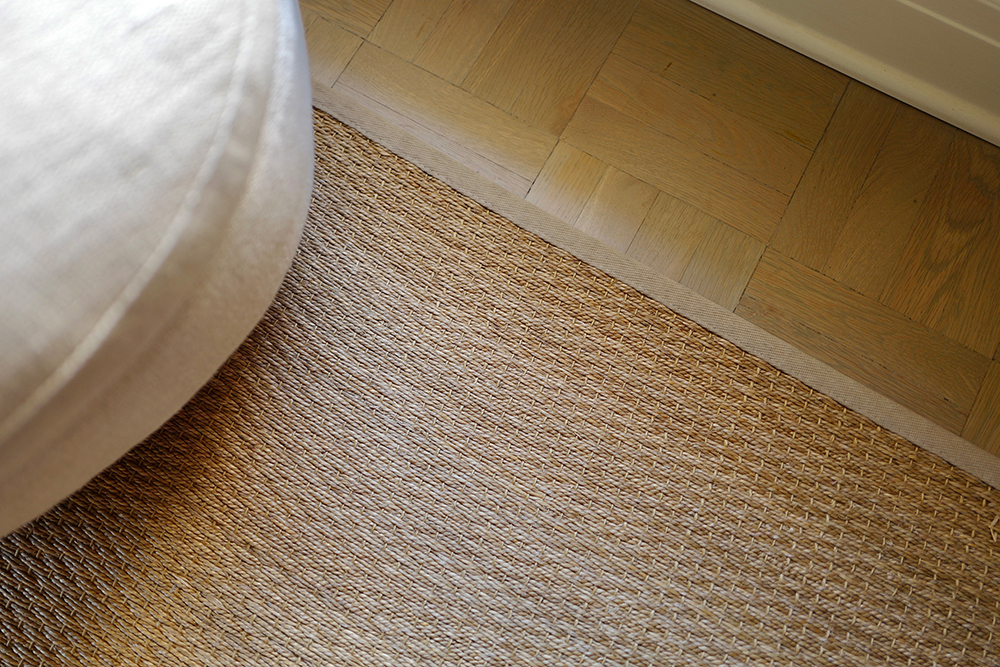
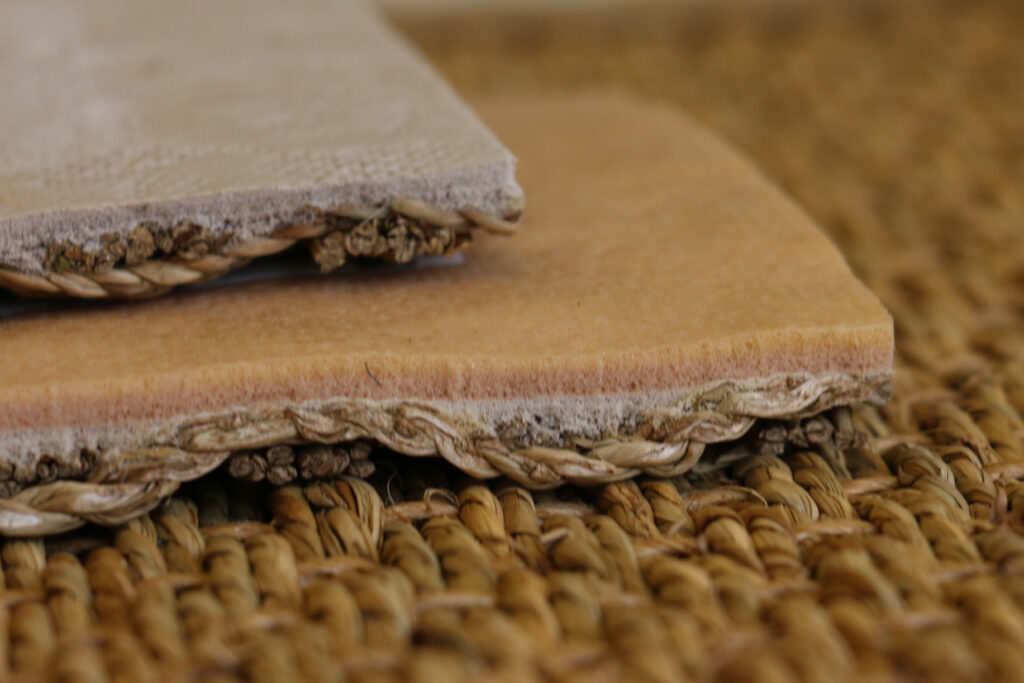
Which backing should I choose for my seagrass rug or carpet – natural latex or urethane?
Our seagrass collection offers natural latex or urethane backing. The latex backing is natural—an obvious benefit—but has been known to stick to hardwood or other hard surface floors. We recommend that you use a separate rug pad that has been approved for use on hardwood floors to provide a layer of protection. Our urethane-backed seagrass rugs are extra durable and have more cushioning.
Head over to our Flatweave Rugs Guide for more information on Rug Pads
You may order swatch samples of both seagrasses to help you make a decision by selecting from our seagrass collection. For example, ordering swatches of both Biscayne and Biscayne Urethane will help you see and feel the difference.
Seagrass deserves its place as a favorite among designers and homeowners – it is the ultimate design chameleon that is also durable and affordable. A seagrass rug or carpet brings a touch of natural beauty to any space, whether it is a living room, bedroom, hallway, or office. We hope this blog post delivers answers to your questions about seagrass as a flooring option. If you have any additional questions, please contact our knowledgeable sales team. We are here for you.



4 comments
Is it possible to remove the ridges in a sea grass rug left rolled too long? I’ve tried several things which have not done the trick and now am wondering if I could steam the ridges (flatten them out). I assume I would have to place towels under the rug to maintain the wood flooring underneath and also probably place towels over the top of the sea grass as well before using the steamer.
Does this sound do-able or will I surely ruin the rug? Do you have any other suggestions? I have taped the edges down and lived with the rug that way for two years but without noticing the ridges are diminished.
I would appreciate any comments or help you can offer.
Hi Maria,
Thank you for posting a question about your seagrass rug. As it happens, we just published today a post with tips on how to flatten a rug. Here is the link to How to Flatten a Rug if you would like to check it out.
As for steaming the rug, your idea could work but I would worry more about your wood floors underneath. If you are going to steam it, use a moisture proof barrier between the rug and your wood floors. The steam and the heat could damage your flooring. Also, if possible, back rolling the rug and letting it rest like that for a few days might help.
Feel free to contact our customer service team — they have years of expert experience and would be happy to help you further.
Best,
Christy
I have a seagrass runner and my dog chewed at one of the steps. I have a big hole now and don’t know how to repair it. Do you have any suggestions?
Hi Carrie,
I would suggest contacting your installer to assess the situation and see if the spot your dog chewed can be replaced with the same fabric you purchased.
Best,
Patrick